
Se încarcă conținutul coșului ...
Corporate Photography for Modern Brands: People, Workspaces and Visual Identity
Corporate photography has changed a lot in recent years. It is no longer limited to formal portraits, conference rooms and generic office images. Modern brands need photography that feels natural, confident and connected to their identity. The visual story of a company is built through people, workspaces, details, products, processes and the atmosphere of everyday work.
For a business, photography is often the first layer of trust. Before a client reads a full presentation or sends an email, they usually see images: a website header, a team portrait, a social media post, a product detail, a workspace or a visual campaign. If those images feel polished and authentic, the brand immediately becomes easier to understand and easier to remember.
People are part of the brand
Good corporate photography begins with people. Teams, founders, specialists and collaborators give a company its human presence. A strong portrait does not need to feel stiff or overly staged. It should be clear, professional and natural, while still matching the tone of the brand. A creative studio, a medical clinic, a law office, a technology company and a restaurant all need different visual languages.
The goal is not only to make someone look good. The goal is to show confidence, clarity and approachability. This can be achieved through careful lighting, simple direction, natural gestures and a setting that supports the identity of the company.
Workspaces tell a story
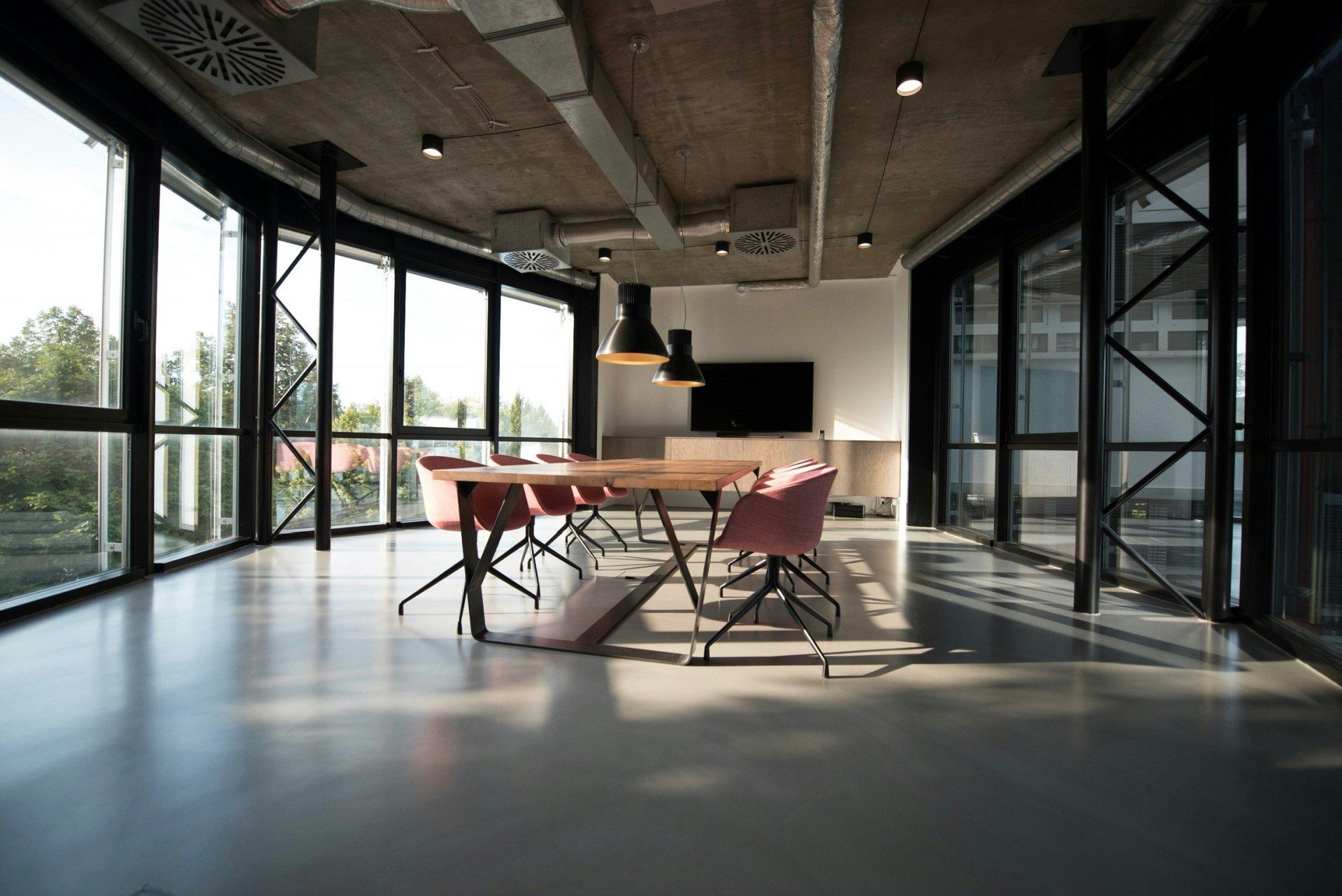
The workspace is more than a background. It can communicate values: precision, creativity, calm, innovation, craft, hospitality or attention to detail. Corporate photography can show offices, studios, meeting areas, production spaces, showrooms or public-facing interiors in a way that feels intentional and visually consistent.
Architecture and corporate photography often meet here. Lines, materials, light and spatial order help describe the environment in which a brand operates. For companies that invest in their spaces, professional images become useful not only for websites, but also for recruitment, press, investor materials and social media communication.
Details create visual identity
Every brand has details that can be photographed: tools, textures, hands at work, packaging, documents, screens, materials, objects or small moments from the daily process. These images may seem secondary, but they are very useful in a visual system. They can break up a website layout, support a case study, enrich a presentation or create a more natural social media presence.
Detail photography helps a company avoid using the same portrait or office image everywhere. It gives the brand a broader visual vocabulary and makes communication feel more personal. When composed carefully, even simple details can become strong images.
Consistency matters more than quantity
A corporate photo session should be planned around usage. What images are needed for the homepage? What format works for LinkedIn? Are horizontal images required for banners? Are vertical portraits needed for team pages? Does the brand need clean product shots, behind-the-scenes images or atmospheric visuals?
When photography is planned in this way, the final set becomes more useful. Instead of random images, the company receives a coherent visual library that can be used across multiple channels. The images feel connected because they share a similar mood, color direction, level of contrast and compositional style.
Corporate photography as a long-term asset
Professional corporate photography is not only a decorative element. It is a practical business asset. It supports branding, marketing, recruitment, public communication and sales. It helps companies present themselves with clarity and confidence, especially in a digital environment where visual quality strongly influences perception.
Sky Lab approaches corporate photography with attention to light, geometry, people and atmosphere. The result is a clean and composed visual language that helps modern brands communicate who they are, where they work and why their presence matters.
