
Se încarcă conținutul coșului ...
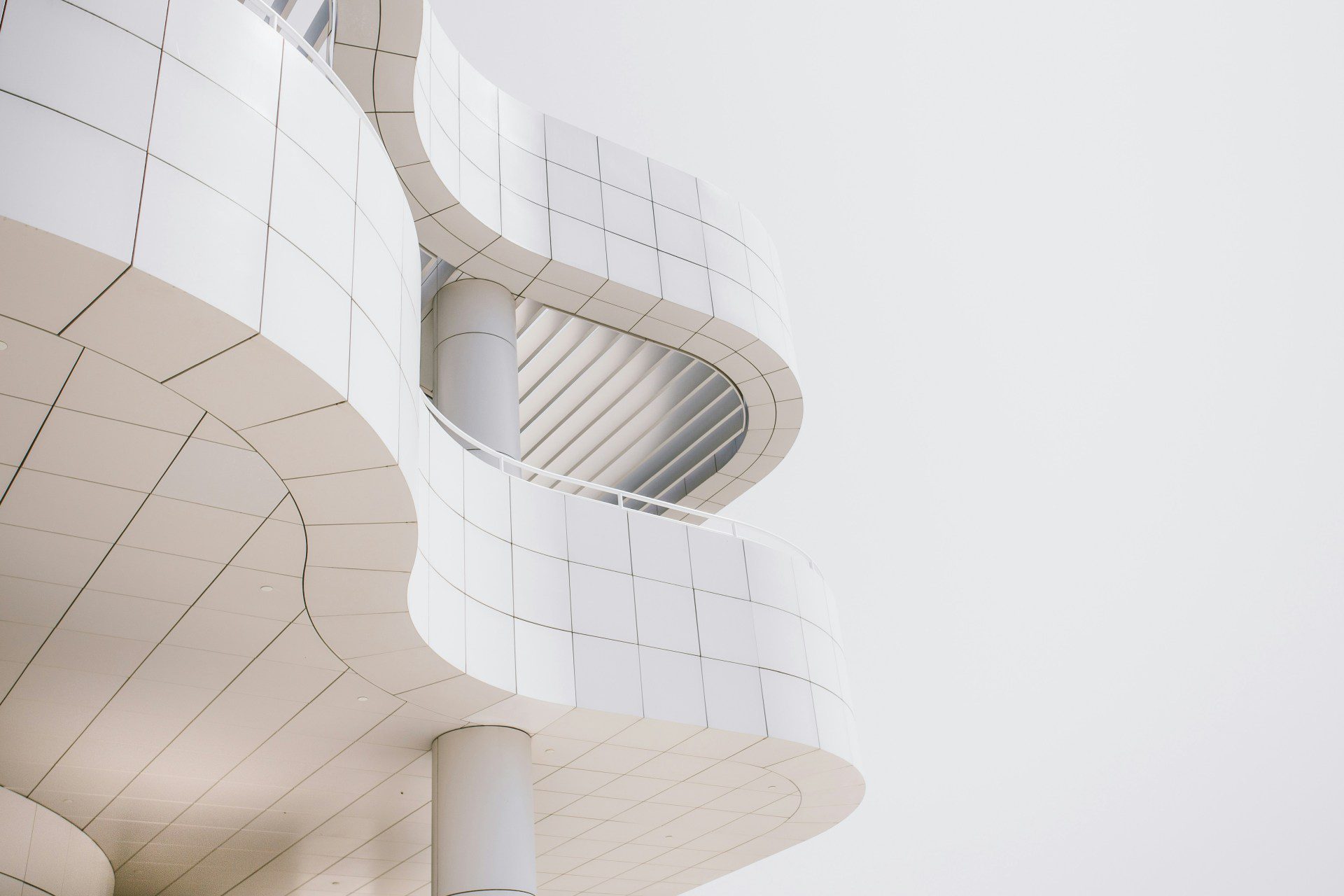
Architectural Photography: Capturing Light, Space and the Character of a Place
Architectural photography is often seen as a technical discipline: straight lines, clean compositions, balanced exposure and carefully controlled perspective. All of these elements matter, but they are only the beginning. A strong architectural image does more than show a building. It communicates the feeling of a place, the intention behind a design and the way light moves through a space.
For Sky Lab, architectural photography begins with observation. Before the camera becomes important, the place itself needs time. A façade may look completely different in the morning than it does at sunset. An interior may reveal its character only when natural light touches a wall, a staircase, a table or a quiet corner. The role of the photographer is to understand these moments and translate them into images that feel clear, honest and visually refined.
Light as the main architectural material
Light is one of the most important tools in architectural photography. It defines volume, separates surfaces and gives depth to otherwise simple forms. A room photographed with flat light can feel lifeless, while the same room captured at the right moment can become warm, elegant and memorable. Shadows are just as important. They create structure, rhythm and contrast, helping the viewer understand both the geometry and the atmosphere of a space.
This is why good architectural photography is rarely rushed. It often means waiting, returning, adjusting the point of view and paying attention to how the space changes over time. Whether the subject is a private house, a public building, a cultural space or an urban detail, light helps reveal the story already present in the architecture.
Geometry, proportion and visual order
Architecture is built on proportion, and photography must respect that. Lines, edges, openings, textures and volumes need to be composed with care. A strong image should feel balanced without looking forced. It should guide the eye naturally through the frame, allowing the viewer to understand the scale of the place and the relationship between its elements.
Sometimes the most powerful photograph is a wide view that explains the building in context. Other times, the strongest image is a detail: the meeting point between two materials, the curve of a wall, the repetition of windows or the quiet rhythm of a corridor. These details are not secondary. They often hold the personality of the project.
Context gives architecture meaning
No building exists in isolation. It belongs to a street, a landscape, a neighborhood, a culture and a particular moment in time. Architectural photography becomes richer when it includes this relationship. Urban surroundings, natural elements, human scale and even weather can help explain why a space feels the way it does.
In portfolio work, this approach is especially important. Architects, designers, real estate developers, cultural institutions and hospitality brands all need images that do more than display a finished project. They need photographs that help people understand the identity of that place. A clean, cinematic and carefully composed image can turn a building into a visual story.
Why professional architectural images matter
Professional architectural photography can influence how a project is perceived online, in print, in press materials, in competitions and across social media. Strong images build credibility. They make a space easier to remember and easier to communicate. For commercial interiors, restaurants, hotels, offices or cultural venues, photography often becomes the first contact between the audience and the place itself.
At its best, architectural photography preserves atmosphere. It captures how a space looks, but also how it lives, breathes and connects with its surroundings. This is the visual language Sky Lab follows: light, geometry, quiet details and images shaped around the character of each place.
