
Se încarcă conținutul coșului ...
Landscape and Personal Photography: Finding Atmosphere in Places and Moments
Landscape photography is often associated with spectacular views: mountains, forests, water, open fields, dramatic skies and distant horizons. These subjects can create powerful images, but landscape photography can also be quiet, subtle and deeply personal. Sometimes the most memorable frame is not the largest view, but a small relationship between light, texture, weather and memory.
Personal photography gives the photographer freedom to follow curiosity rather than a brief. It can include landscapes, streets, interiors, fragments, portraits of places, travel images, rural scenery, details found by accident or visual experiments created without commercial pressure. These images are important because they keep the eye active and honest.
Atmosphere before spectacle
A strong landscape image does not always need to be dramatic. Atmosphere can be built through mist, soft light, empty space, repetition, color, silence or scale. A road, a field, a tree line, a wall or a distant building can become meaningful when photographed with attention. The image works because it creates a mood, not because it tries to impress.
This approach is close to the visual language of Sky Lab. Light, geometry and quiet details are not only relevant to architecture and interiors. They also exist in nature, rural spaces and open landscapes. The same eye that studies a building can study a horizon, a path, a texture or the shape of land seen from above.
Aerial photography and the rhythm of place
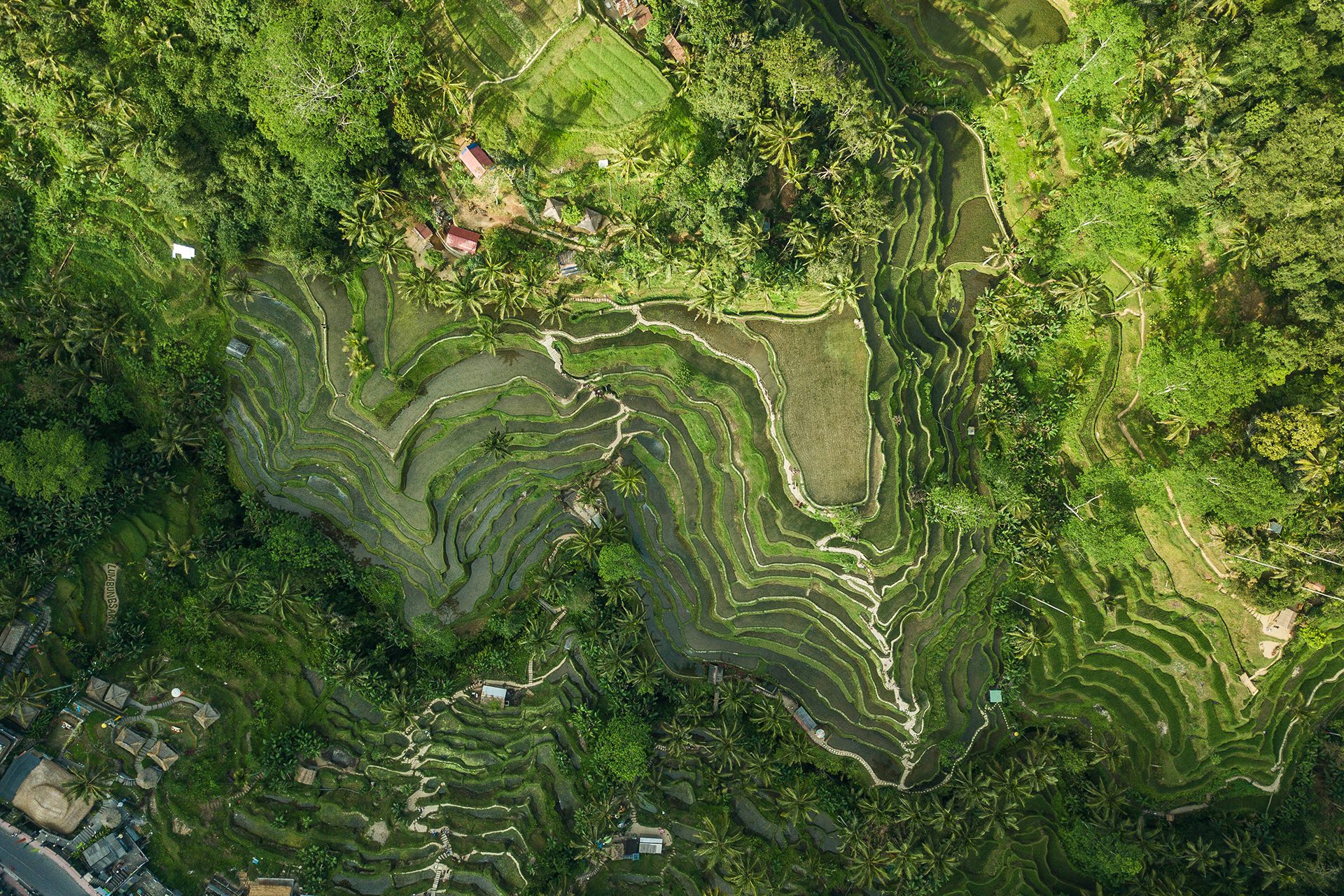
Aerial photography can reveal patterns that are difficult to see from the ground. Roads, fields, rivers, roofs, coastlines and industrial areas become compositions of shape, color and direction. From above, a place can feel abstract and documentary at the same time.
Used carefully, aerial landscape photography can add a new layer to a portfolio. It helps describe the relationship between built environments and natural surroundings. It can also support travel, architecture, rural, tourism and cultural projects by showing scale and context in a visually engaging way.
Personal projects keep the visual language alive
Personal photography is not separate from professional work. It often feeds it. When a photographer explores without a client brief, they can test new compositions, follow unexpected light, study color, work with imperfection and build a more personal relationship with the camera.
These images may later influence commissioned work. A quiet observation made during a walk can change the way an interior is photographed. A landscape study can improve the way context is shown in an architectural project. A personal frame can become the seed of a more mature visual direction.
Memory, place and visual storytelling
Personal images often carry memory. They are connected to a day, a road, a city, a season or a feeling that may not be obvious to everyone. This makes them valuable. They create a more intimate layer in a portfolio and show how the photographer sees when there is no commercial assignment to solve.
For audiences and clients, this matters because it reveals consistency. It shows that the photographer does not only respond to projects, but also has a way of seeing the world. In a portfolio, personal and landscape images can bring balance, atmosphere and depth.
Photography as a way of paying attention
Landscape and personal photography are, in the end, about paying attention. To light. To distance. To silence. To small changes in weather. To geometry found outside architecture. To the way places feel before they are explained.
Sky Lab brings these observations together with a clean and cinematic sensibility. Whether the subject is an open landscape, a rural scene, an aerial view or a personal visual note, the goal remains the same: to create images that preserve atmosphere and give space for the viewer to stay a little longer.
